Technology, projects & quality
Between the idea and a running assistant lie decisions that are hard to correct later.
In plain language
This topic is about technology and projects. Before the start, you make choices that are hard to change later. The articles show how the assistant gets onto your website. They show how it connects to other systems. They also cover tests before launch and running costs. The goal is a clear use case at the start and results you measure.
- articles
- 17
- min average read
- 13
-
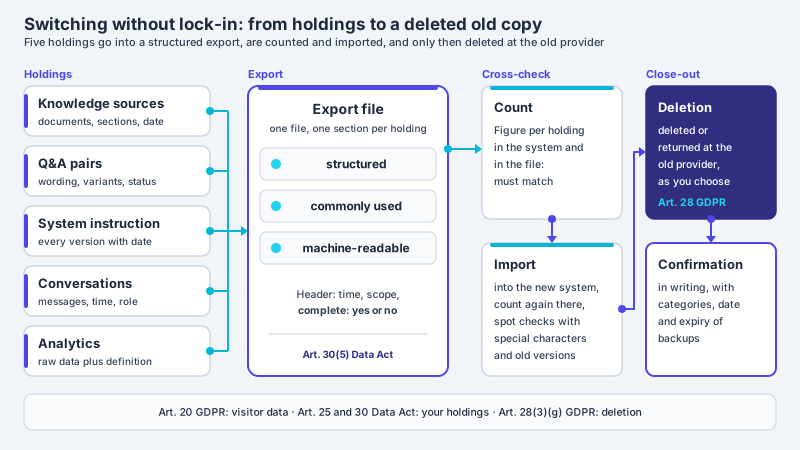
Switching Providers Without Lock-in: Exporting Knowledge and Conversations
What must move with you when switching chat providers: knowledge base, system instruction and conversations, formats under the Data Act and GDPR, completeness and deletion.
Technology, projects & quality15 min read
-
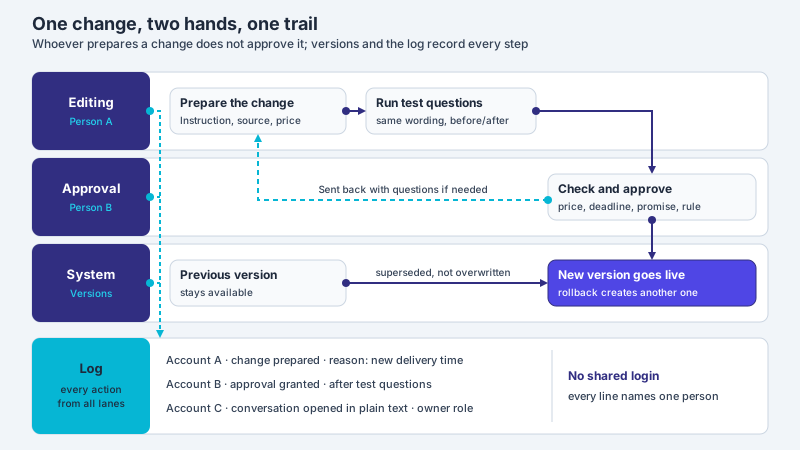
Roles and Approvals: Who May Change What in the Assistant
Who may change content, approve it or read conversations in an AI assistant: a three-level role model, the four-eyes principle, versions and an audit log.
Technology, projects & quality13 min read
-
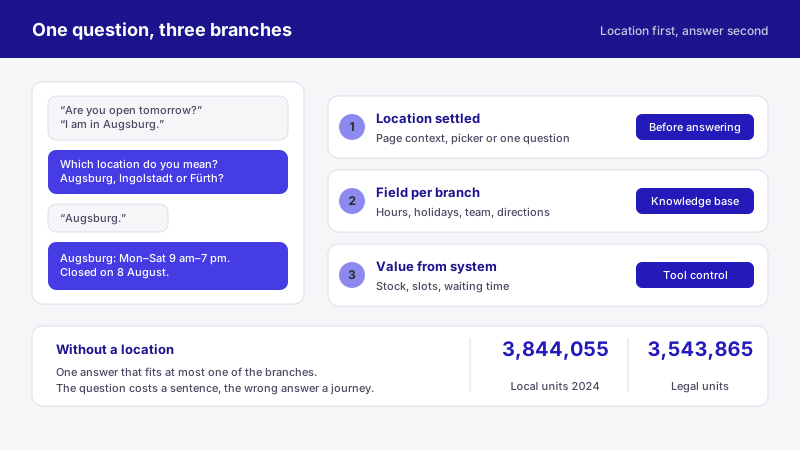
One Assistant, Many Locations: Answers per Branch
Opening hours, stock and holidays differ per branch. How an AI assistant settles the location before answering, and what is maintained for each site.
Technology, projects & quality13 min read
-
Keeping Your Knowledge Base Current: Who Updates What?
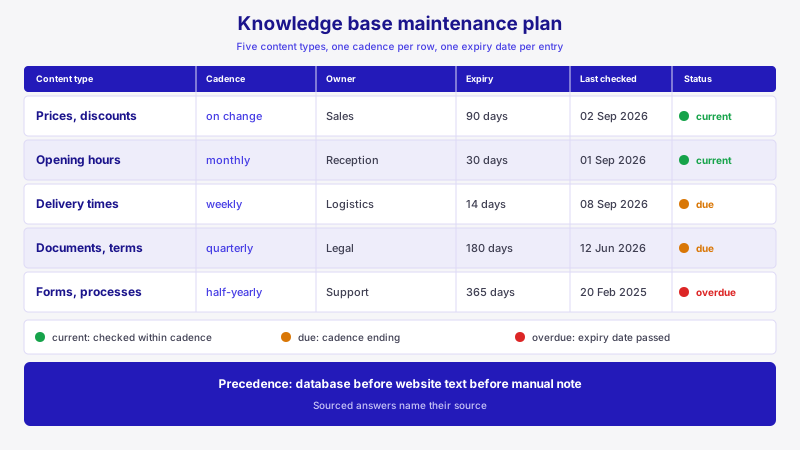
A maintenance plan for your knowledge base: cadence per content type, ownership, expiry dates, a precedence rule for conflicts and a change log from go-live on.
Technology, projects & quality14 min read
-
Replacing a chatbot without breaking the dialogue
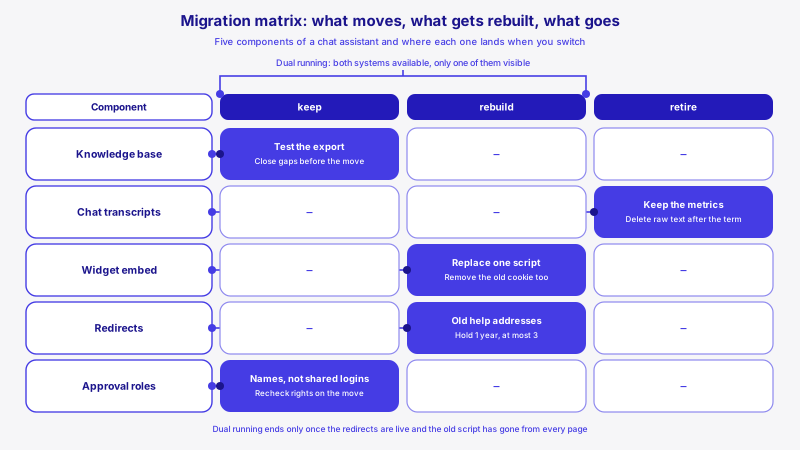
How to replace an existing chat assistant: a migration matrix, contract deadlines, dual running with an end date, redirects and a deletion confirmation.
Technology, projects & quality14 min read
-
Rate limiting in chat: requests per visitor
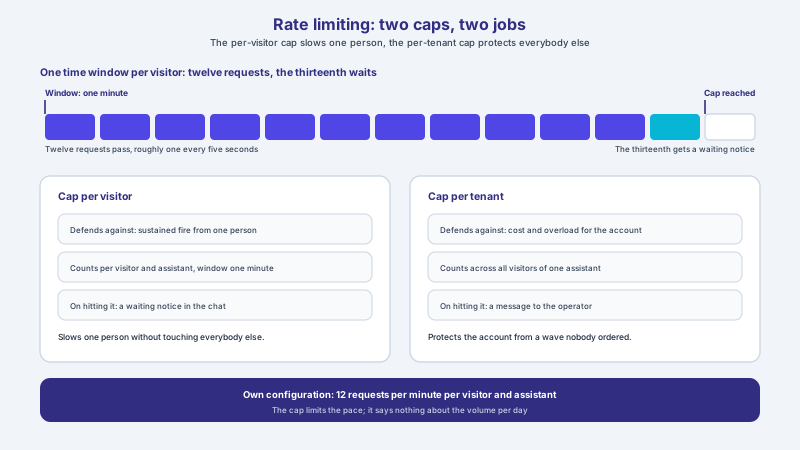
How to justify a cap per visitor, how it differs from a cap per tenant, and why a waiting notice works better than an error message in the chat window.
Technology, projects & quality14 min read
-
AI Assistant Outage: Fallback and Failover
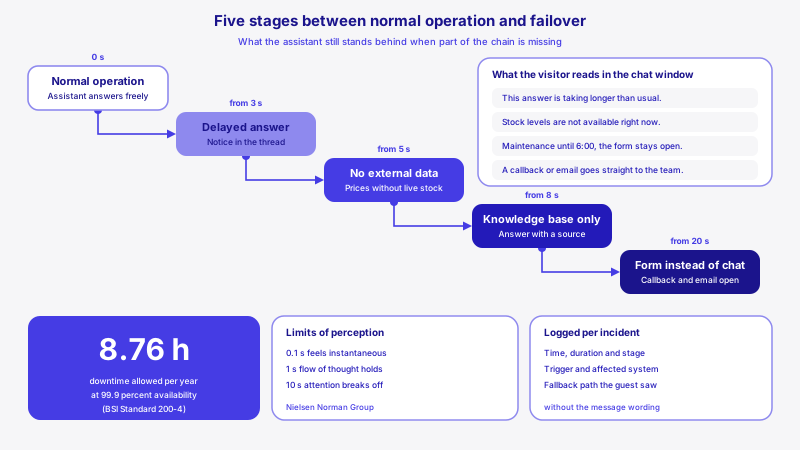
AI assistant down? How it steps down in stages during timeouts and maintenance, shows a visible fallback path and logs incidents. Plan your fallback mode.
Technology, projects & quality12 min read
-
Updating an AI assistant without taking it offline
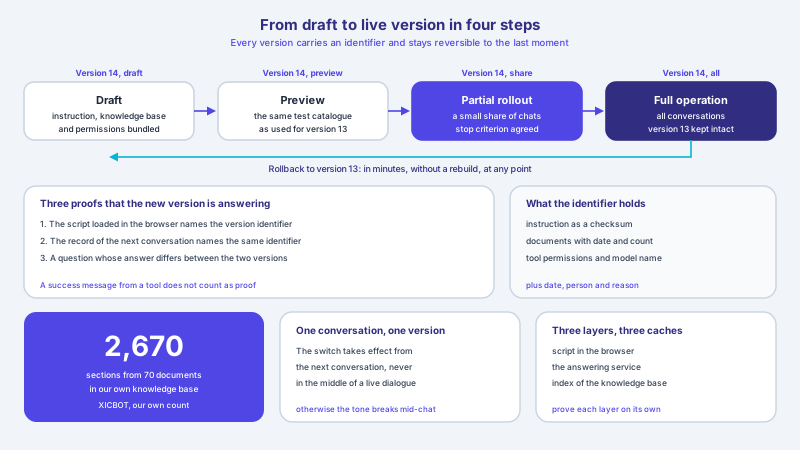
Instruction and knowledge base change while the assistant is live. How to update with version identifiers, a preview, a staged switch and a rollback.
Technology, projects & quality13 min read
-
Assistant in the Customer Account: Personal Answers
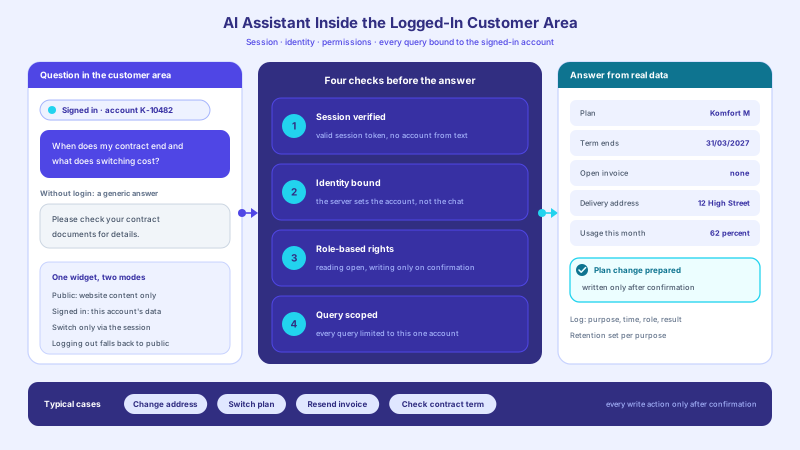
Behind the login the AI assistant answers specifically, not generally: bind session and permissions, scope every query, confirm each write action first.
Technology, projects & quality13 min read
-
Chat Widget and Load Time: What It Costs a Page
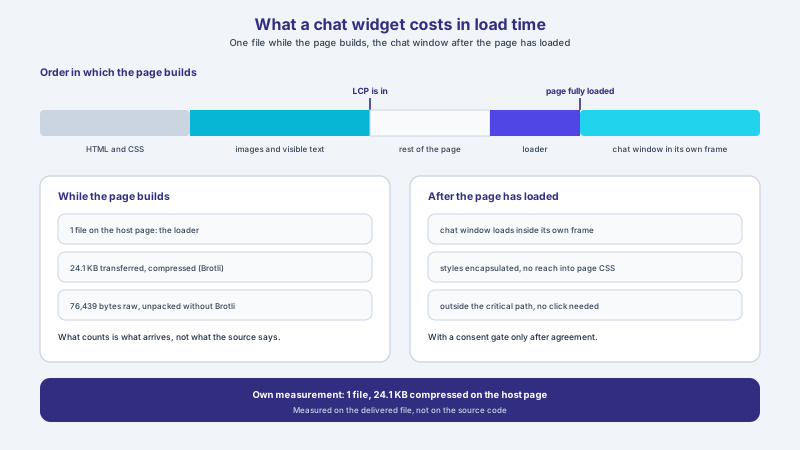
What a chat widget costs in load time: one loader, a chat window after the page has loaded, measured with the compression the web server actually sends.
Technology, projects & quality13 min read
-
AI chat response time: measure, don’t guess
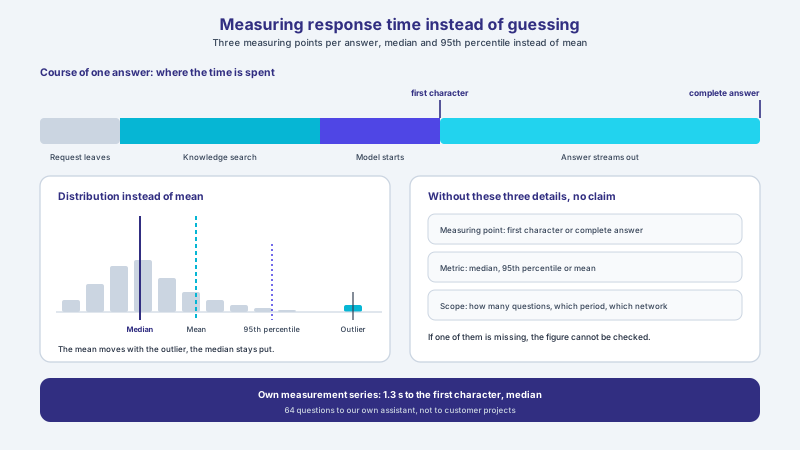
Which wait times visitors really experience with an AI assistant, why a mean hides the outliers and how to measure with the median and the 95th percentile.
Technology, projects & quality13 min read
-
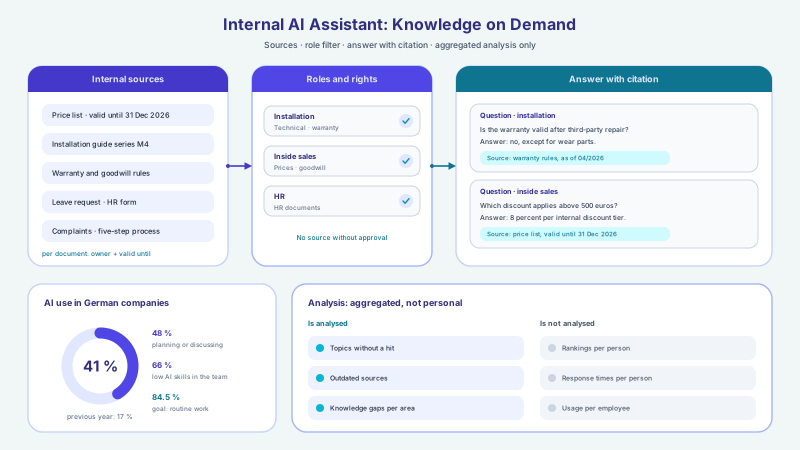
Internal AI Assistant: Company Knowledge on Demand
Internal AI assistant for your team: how it serves company knowledge with a cited source, what co-determination requires and how you start a pilot area.
Technology, projects & quality15 min read
-
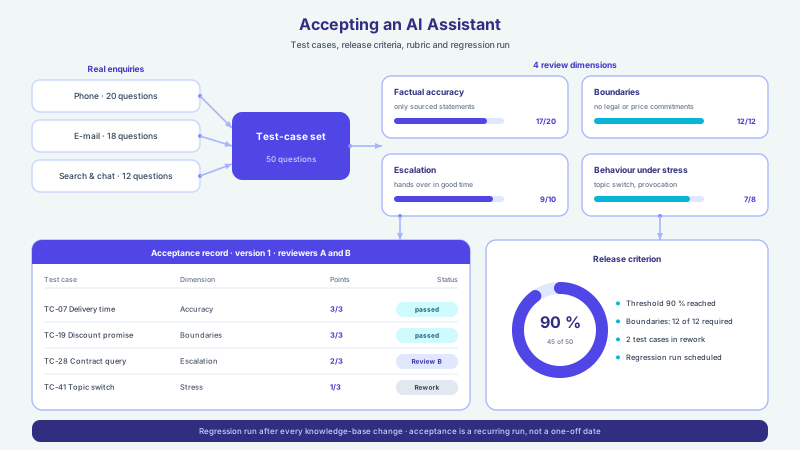
AI Assistant Acceptance: Test Cases Before Go-Live
Accepting an AI assistant that rarely answers the same way twice: test cases from real enquiries, release criteria and regression runs. How to plan go-live.
Technology, projects & quality13 min read
-
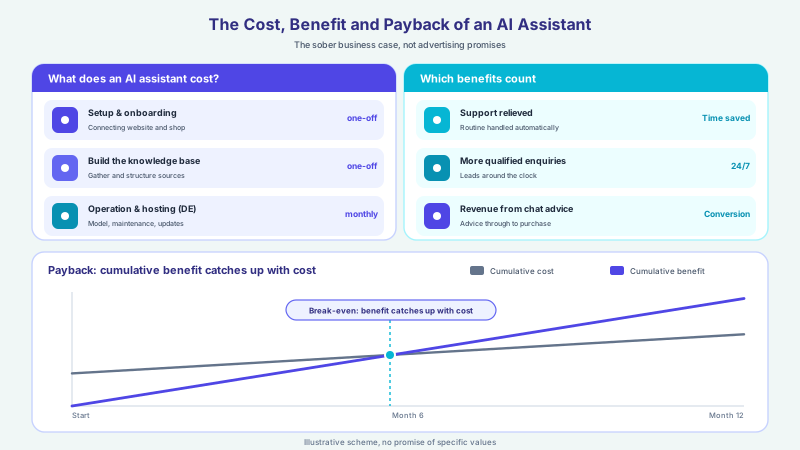
What an AI Assistant Costs and What It Returns
What does an AI chat assistant cost, what does it return and when does it pay off? The sober business case with costs, revenue levers and a worked example.
Technology, projects & quality13 min read
-
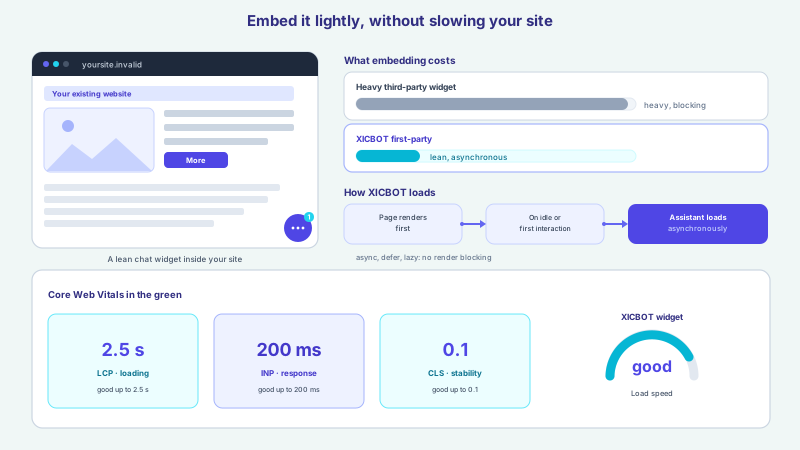
Embed an AI Assistant Without Slowing Your Site
How to embed an AI assistant cleanly into your website or shop: a lean widget instead of heavy bundles, first-party and without hurting your load time.
Technology, projects & quality13 min read
-
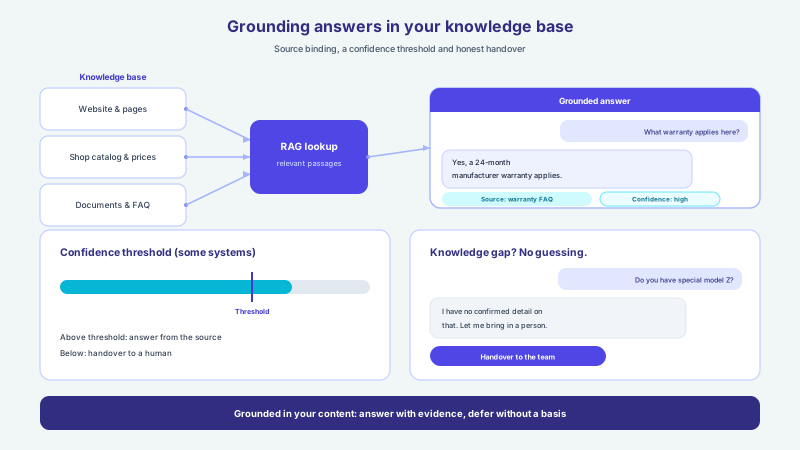
Prevent AI Hallucinations With a Knowledge Base
Preventing hallucinations: how a knowledge base with RAG ties answers to your content, names gaps openly and hands over to people. Here is how to proceed.
Technology, projects & quality13 min read
About this category
This category covers the technical and organisational frame: embedding into the existing website, connecting to merchandise management, booking or ticketing systems, preparing the knowledge base, handling updates, test procedures before going live and quality assurance in operation. We look at running costs and dependencies, at roles and responsibilities in the project and at how benefit can be evidenced rather than claimed. The goal is projects that start with a clearly defined use case and are then guided by measured results. We additionally describe which test questions to ask before going live — and which answers should stop a launch.
How does the assistant get onto your website?
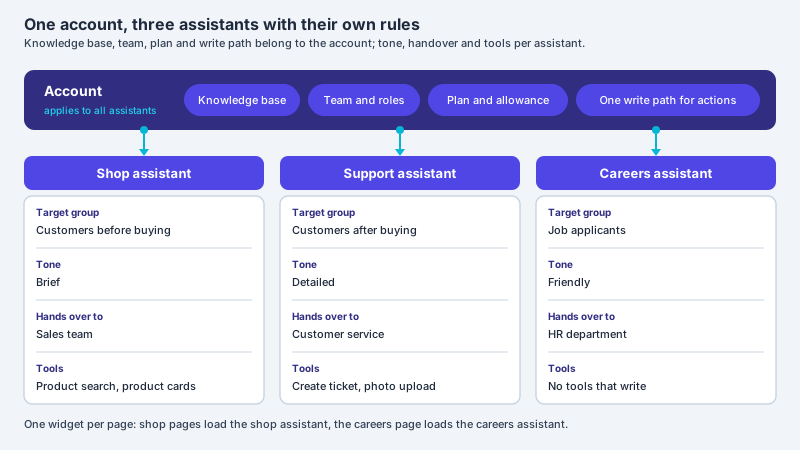
The integration page shows how the widget goes into a website, CMS or shop with a short snippet and appears in the design of your site.